
From Beach to Policy: How Local Data Can Drive Global Change
What happens on a single beach can influence policy decisions far beyond the coastline—if the data is captured correctly.
From Beach to Policy: How Local Data Can Drive Global Change
Environmental change rarely starts in conference rooms. It starts on the ground.
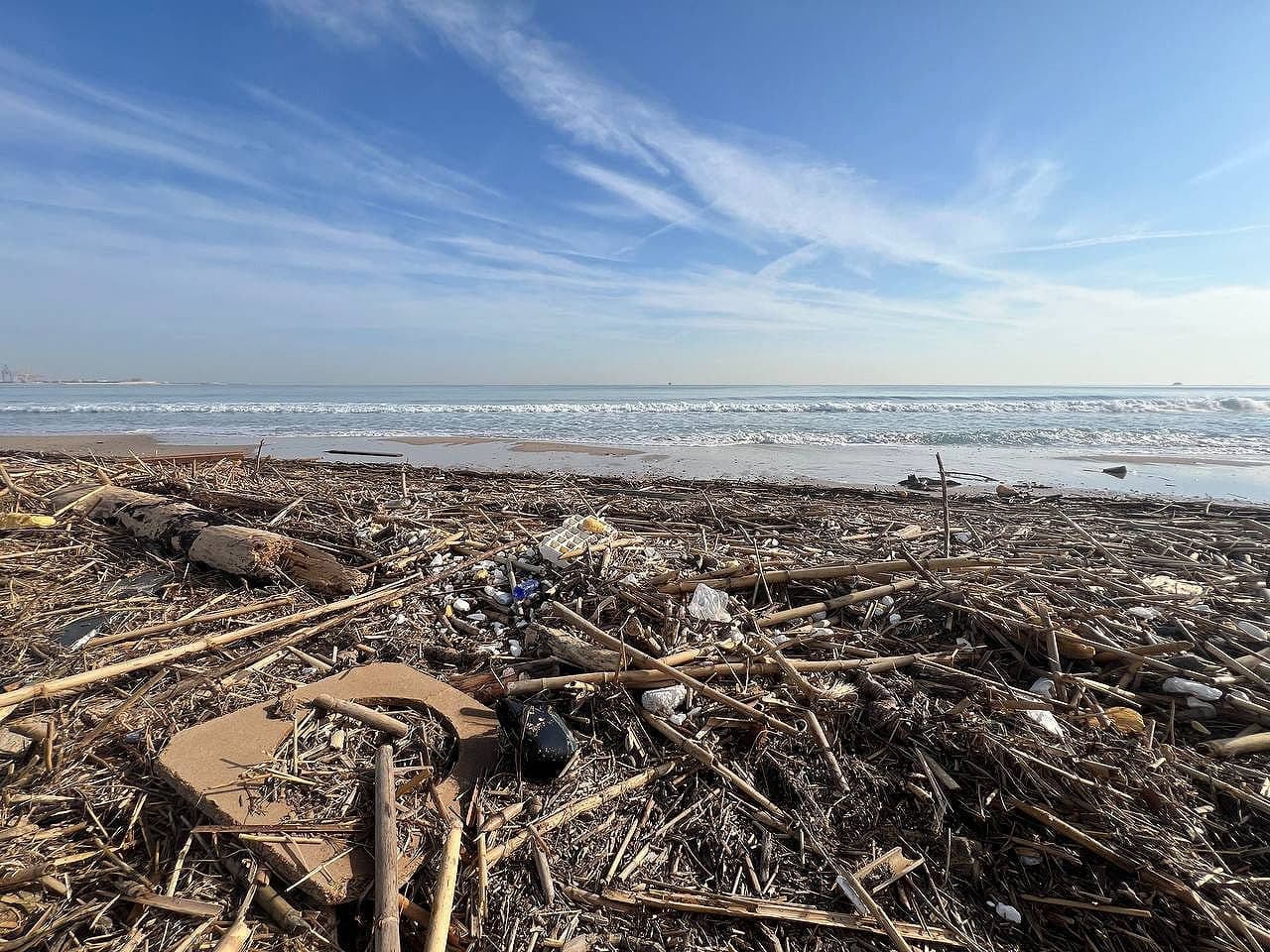
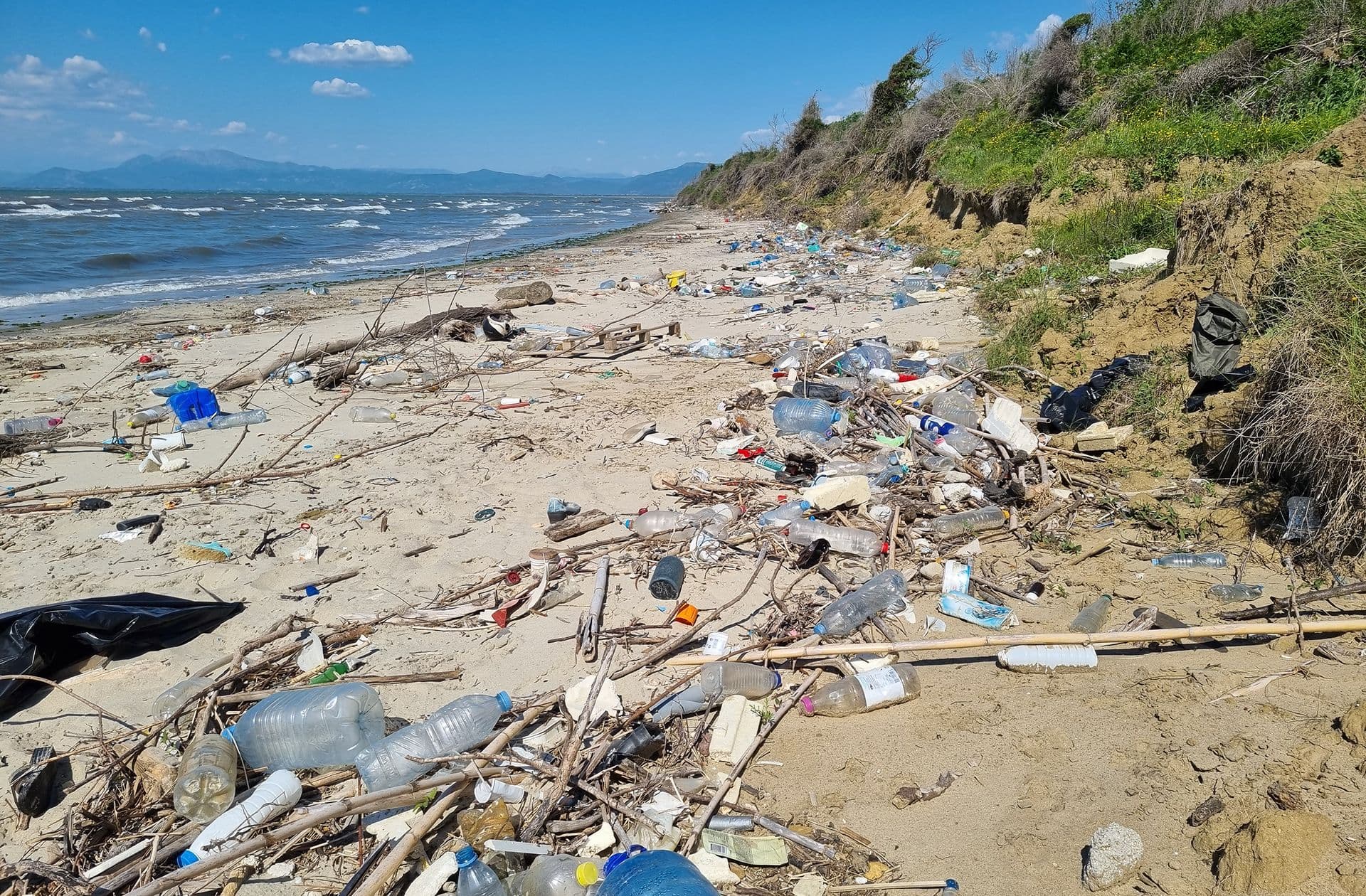
Every cleanup mission reveals patterns: types of waste, sources, seasonal variations, geographic hotspots. When this information is systematically collected, it becomes far more than a cleanup report—it becomes policy-relevant evidence.
Second Life bridges the gap between field action and policy impact. Our teams document waste not only to clean it up, but to understand its origin and trajectory. Drone imagery, categorization systems, and structured reporting allow us to move from anecdotal observations to defensible insights.
Environmental change rarely starts in conference rooms. It starts on the ground.
Every cleanup mission reveals patterns: types of waste, sources, seasonal variations, geographic hotspots. When this information is systematically collected, it becomes far more than a cleanup report—it becomes policy-relevant evidence.
Second Life bridges the gap between field action and policy impact. Our teams document waste not only to clean it up, but to understand its origin and trajectory. Drone imagery, categorization systems, and structured reporting allow us to move from anecdotal observations to defensible insights.

Why does this matter?
Because policymakers, municipalities, and international organizations rely on credible data to justify regulation, funding, and enforcement. Grassroots initiatives often fail to influence policy not because they lack urgency—but because they lack structured evidence.
By transforming cleanup missions into data-backed narratives, we enable informed decision-making at higher levels. What starts as a local intervention can inform national waste strategies, EU-level discussions, or international environmental frameworks.
Change does not require choosing between activism and policy.
It requires connecting them.